
Ask any private credit team how long it takes to move from signed NDA to a committee-ready memo and the honest answer lands somewhere between two and four weeks. Not because the analysis is hard — most senior underwriters can form a directional view on a borrower in an afternoon — but because assembling the evidence behind that view is a manual, repetitive act of translation.
Where the three weeks actually go
Break a memo down into the work that produces it and a familiar shape appears.
Reading the room before modelling it
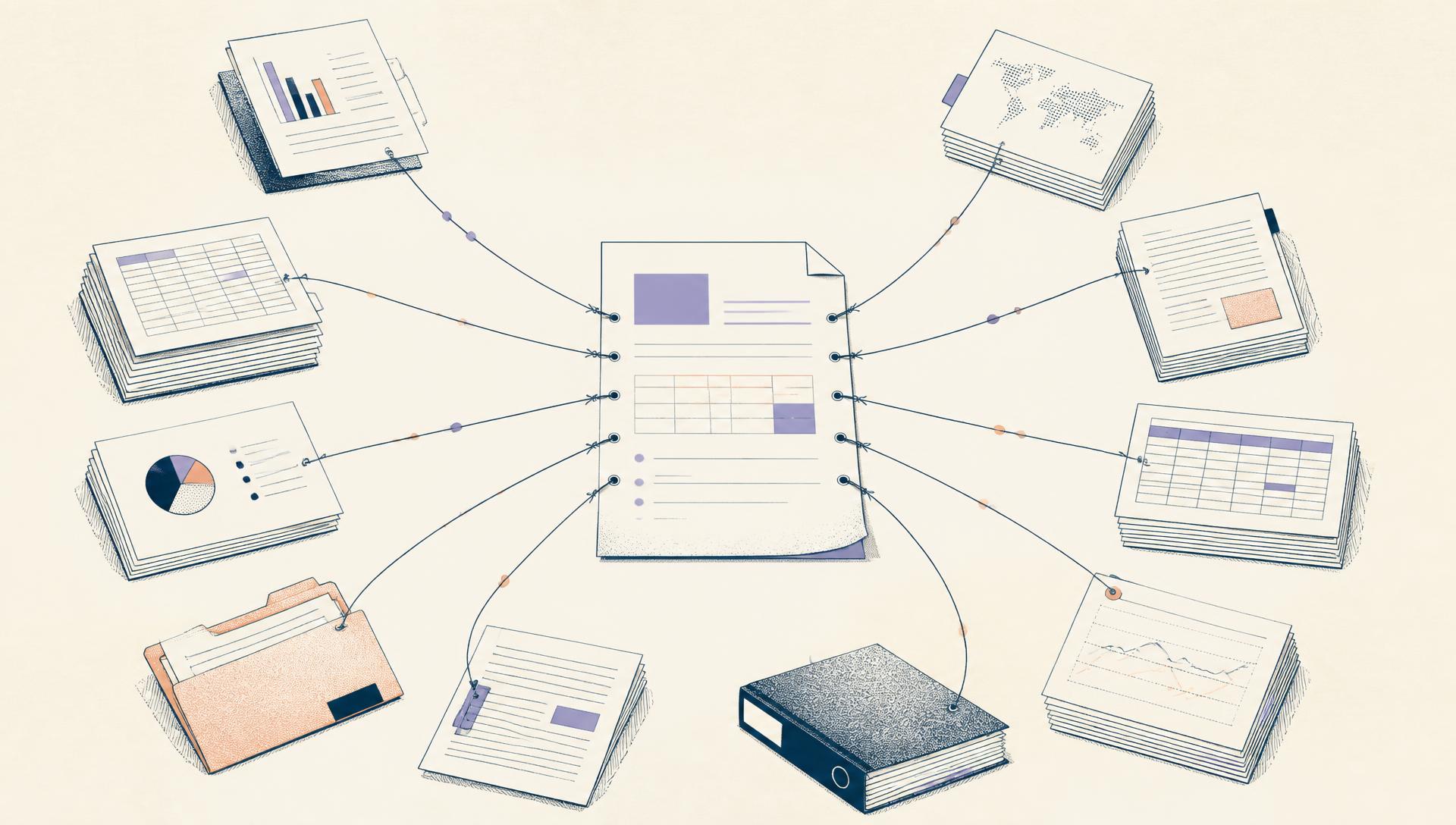
A mid-market data room routinely holds 300 to 900 files: CIMs, audited and management accounts, ageing schedules, customer contracts, cap tables, insurance certificates, environmental reports. An analyst reads to find roughly forty numbers and a dozen qualitative facts. Everything else is context they have to hold in their head.
Rebuilding a spread that already exists
Financial spreading is the single largest block of hours. The borrower's trial balance is already structured data — it just arrives as a PDF export. Re-keying it into the house template, reconciling to the audit, and normalising add-backs is where three to five working days disappear.
Writing to defend, not to inform
The memo is a legal artefact as much as an analytical one. Every claim needs a source, every adjustment needs a rationale, and the whole document needs to survive a committee that will read it in twenty minutes.
What compresses and what does not
Automation only helps where the work is deterministic. In our experience three categories collapse dramatically:
- Extraction. Pulling line items, dates, parties and covenant terms out of documents is now near-perfectly automatable, with page-level citations attached.
- Normalisation. Mapping a borrower's chart of accounts onto the house template is a rules problem, and rules can be learned once and reused across deals.
- First-draft narrative. A structured memo section with sourced figures is a good starting point, and it removes the blank page.
What does not compress is judgement: the decision on whether an add-back is real, whether a customer concentration is durable, whether the sponsor will support. That is the part worth paying an underwriter for.
The test that matters
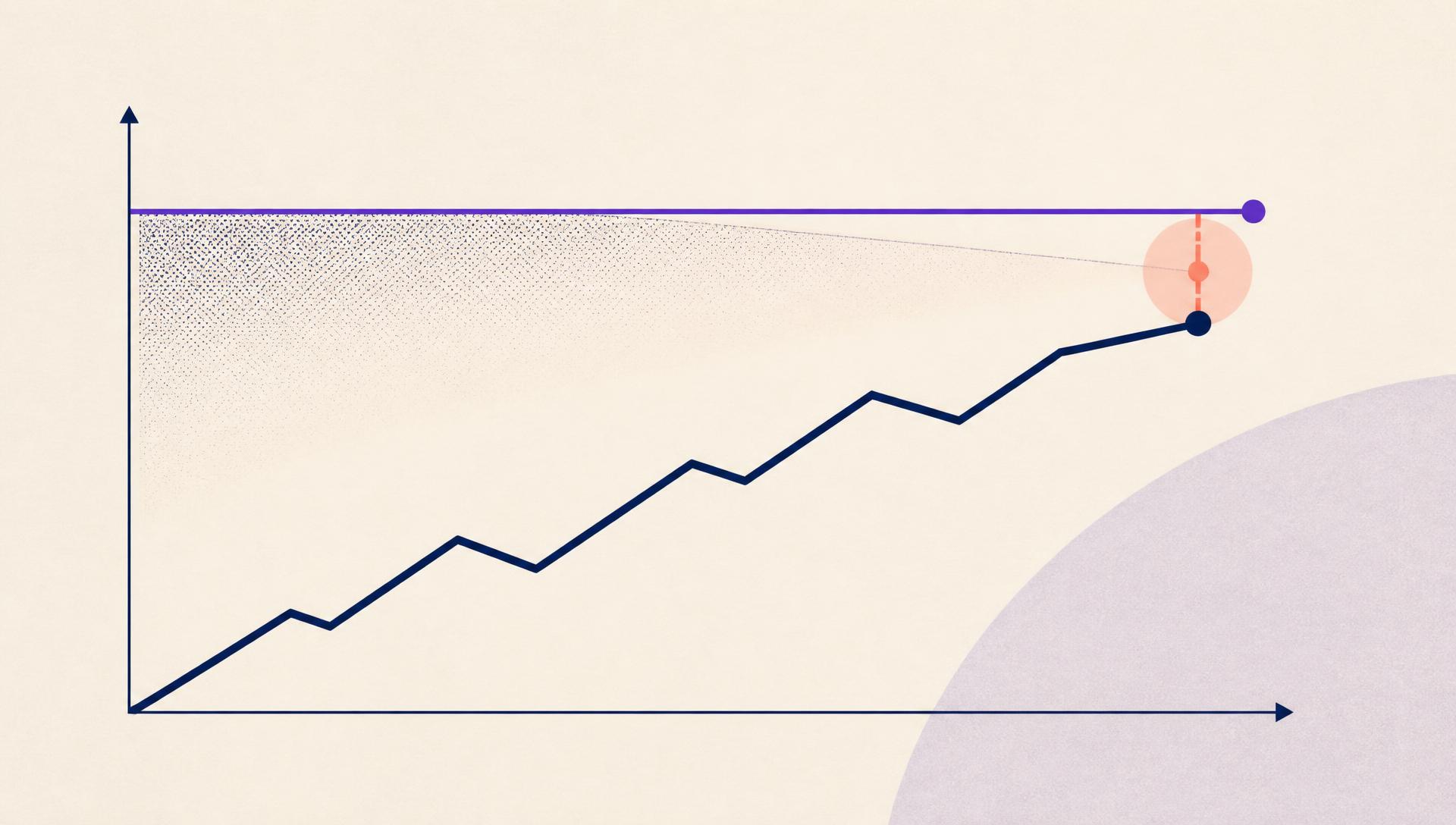
We tell teams to measure one thing before and after: time from data room access to first complete draft with every figure sourced. Not "time saved on spreading", not "documents processed". If that number falls from fifteen working days to three, the pipeline capacity of the team roughly quintuples without a single new hire.
What good looks like
A defensible fast memo has four properties. Every figure traces to a page in a source document. Every adjustment carries an author and a reason. Every version is retained. And the analyst can override anything the system produced without leaving the document.
Speed without those four properties is not speed — it is risk with a shorter timeline.