

Covenants are where a credit view becomes enforceable. And yet at most firms they are set the way they were set a decade ago: a VP recalls the headroom used on a similar deal, adds a cushion that feels right, and the committee nods.
The problem with memory as a comparable set
Human recall is biased toward recent deals and toward deals that went wrong. It systematically ignores the large middle of the portfolio where covenants were never tested. The result is headroom that is too tight on stable credits — generating pointless waiver traffic — and too loose on the volatile ones, where it would have mattered.
Your portfolio already holds the answer
Every firm with twenty or more closed deals has a usable dataset: covenant type, level set at close, actual performance against it each quarter, and whether a breach or waiver followed.
Three questions worth asking of that data
- How much headroom was actually consumed? If leverage covenants across the book never came within 0.75x of the level, the cushion is theatre.
- Which covenant caught the problem first? In most workouts one test trips materially earlier than the others. That is the covenant that deserves attention in structuring.
- What did waivers cost? Waiver frequency by sector is a direct measure of how well the original structuring understood the business.
Structuring against a distribution, not an anecdote
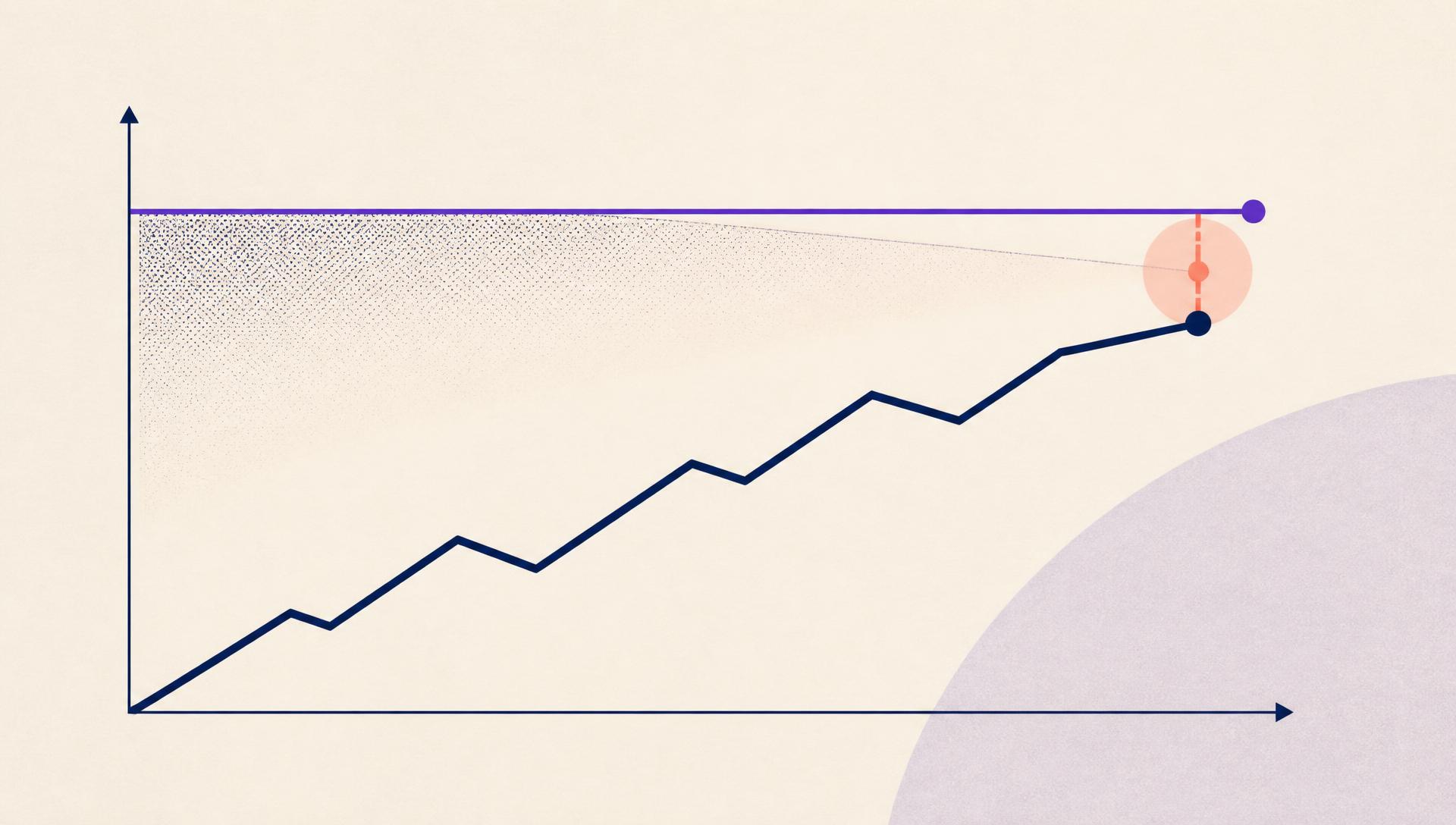
The practical output is a headroom distribution for each covenant type by sector and leverage band. When a new deal comes in, the question shifts from "what did we do on the last one like this" to "where does this borrower's projected volatility sit in the distribution, and what cushion corresponds to the failure rate we can tolerate".
Volatility is the input that matters
Two borrowers at the same opening leverage with different EBITDA volatility should not get the same cushion. Historical quarterly variance — from the borrower's own accounts — is a better guide than a fixed percentage.
Where automation fits
Extraction pipelines make it trivial to keep covenant definitions, levels and quarterly compliance in a structured form rather than in a spreadsheet on someone's desktop. Once it is structured, testing is continuous rather than quarterly, and the historical set improves with every reporting cycle.
The cultural change
The hardest part is not analytical. It is agreeing, as an investment committee, that a data-backed headroom recommendation carries at least as much weight as a senior partner's recollection. Firms that make that shift find their waiver volumes fall and their early-warning signals arrive a quarter or two sooner.