

An examiner reviewing a credit file used to ask for the memo and the credit agreement. Increasingly, they ask for the trail: what documents supported the underwriting figures, who approved which amendment, and when a covenant breach was identified relative to when it was reported to investors. Firms that treat audit readiness as a documentation exercise after the fact are consistently the ones caught flat-footed.
What examiners actually want to see
A reconstructible decision, not just a decision
It is no longer sufficient to show that leverage was calculated at 4.5x at close. An examiner wants to see the specific financial statement the calculation drew from, the EBITDA definition applied, and confirmation that the definition matches the credit agreement's own language. If that chain cannot be reconstructed quickly, the decision looks unsupported even if it was, at the time, entirely reasonable.
Timeliness of monitoring, evidenced
- When a compliance certificate was received.
- When the covenant calculation embedded in it was checked against the credit agreement.
- When any breach or trend was escalated internally, and to whom.
An audit trail that cannot show when a firm knew something is functionally the same, to an examiner, as a firm that never knew it at all.
Why manual processes fail this standard
Spreadsheet-based covenant tracking and email-based escalation are common, and both are fragile under examination. A spreadsheet shows the current state of a calculation, but rarely preserves a verifiable history of prior versions, who edited them, or what source document each version was based on. An email thread documents escalation but is scattered across individual inboxes and rarely centralized in a form an examiner can review efficiently.
What a defensible system looks like
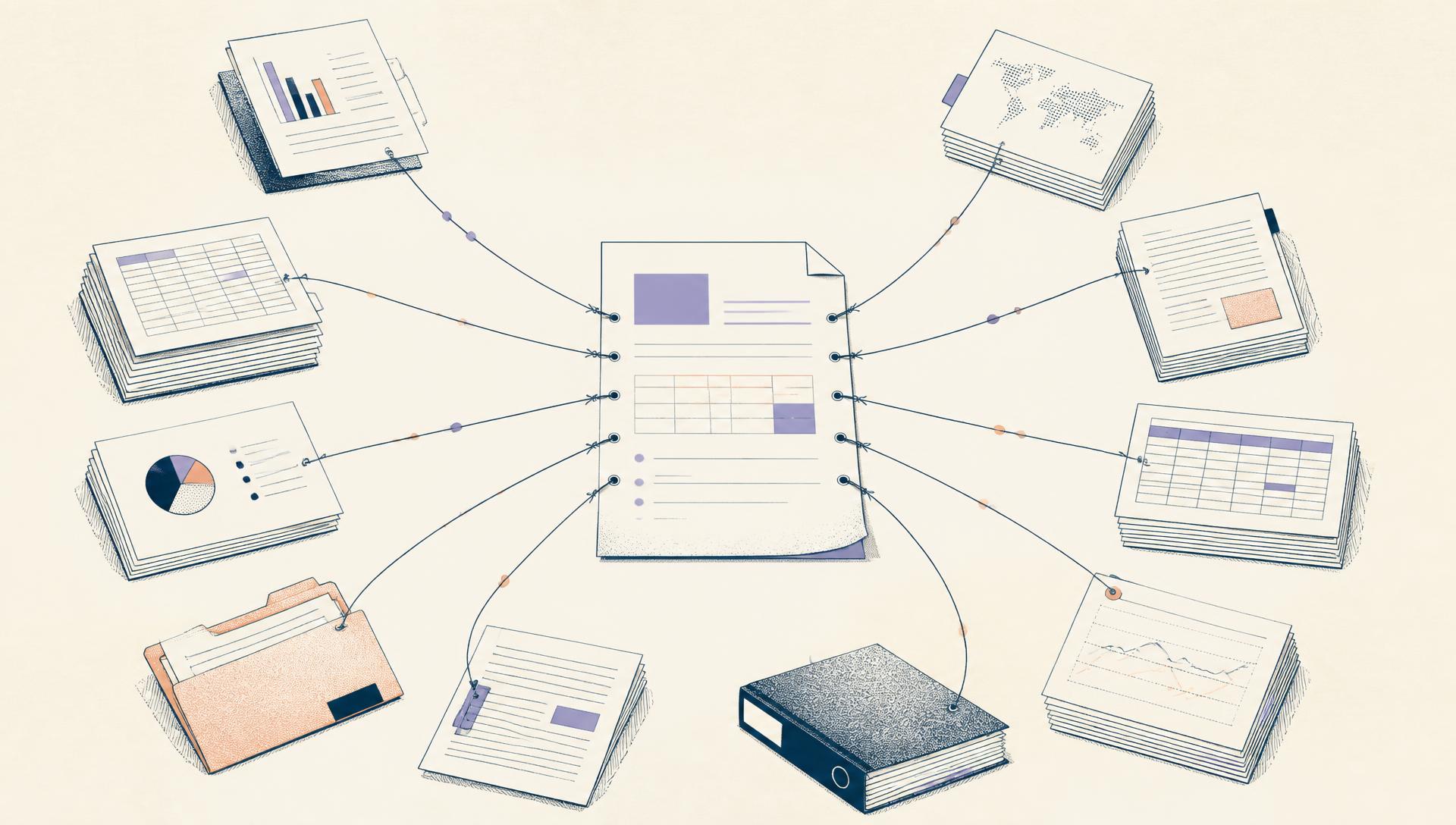
Source-linked records
Every figure used in a covenant calculation or a credit memo should be linked to the specific source document and page it came from, preserved in a form that does not change after the fact.
Immutable version history
When a calculation is updated, for example after a restated financial statement, the system should preserve the prior version rather than overwrite it, along with a timestamp and the reason for the change.
Centralized escalation logging
Every flagged covenant trend, breach, or waiver request should be logged in a single system with timestamps, not reconstructed after the fact from scattered correspondence.
Building this before it is needed
The firms that handle examinations smoothly are not the ones that scramble to assemble a narrative when a request letter arrives. They are the ones whose ordinary operating process already produces the evidence an examiner would ask for, as a byproduct of how the credit team works day to day.
Practical steps
- Require that every underwriting figure in a memo carry a citation to its source document.
- Maintain a single system of record for covenant compliance, with full version history.
- Log escalation and waiver decisions centrally, with timestamps, rather than in individual inboxes.
The upside beyond compliance
An audit trail built this way is not just a defensive tool. It is also the foundation for faster monitoring, cleaner handoffs when staff turn over, and more consistent decision-making across a growing portfolio. Examiner readiness, done properly, is a byproduct of good operational discipline, not a separate project layered on top of it.