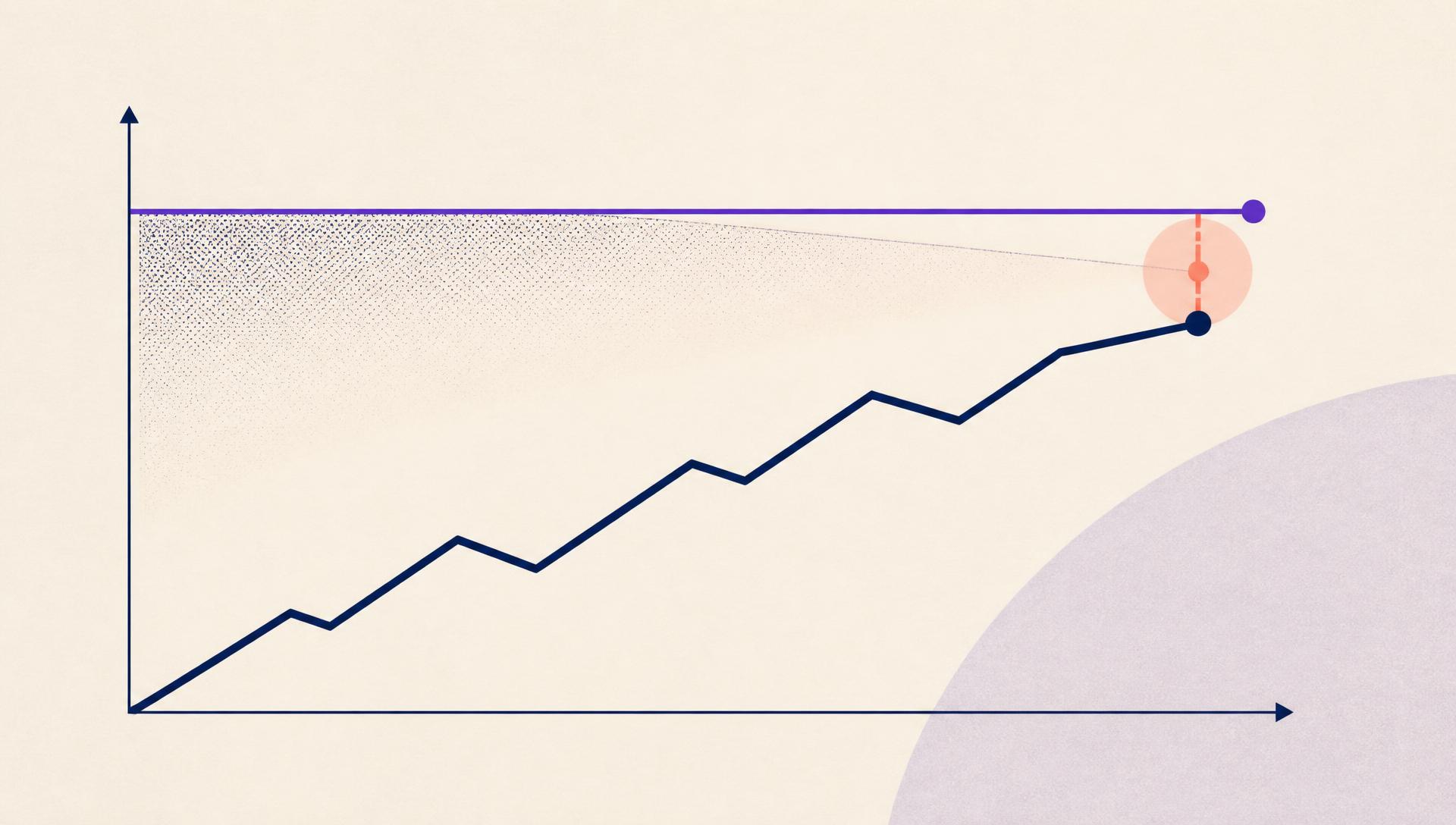


Most investment committee memo templates are checklists of sections: business overview, financial summary, structure, risks. They confirm a memo is complete. They do nothing to confirm it is correct. The gap between those two things is where bad credits get approved.
Completeness is not correctness
A memo can have every required section filled in and still contain a leverage calculation built on the wrong EBITDA definition, a customer concentration figure pulled from a stale quarter, or a covenant summary that does not match the actual credit agreement language. The template does not catch any of that, because it was never designed to.
Where errors actually originate
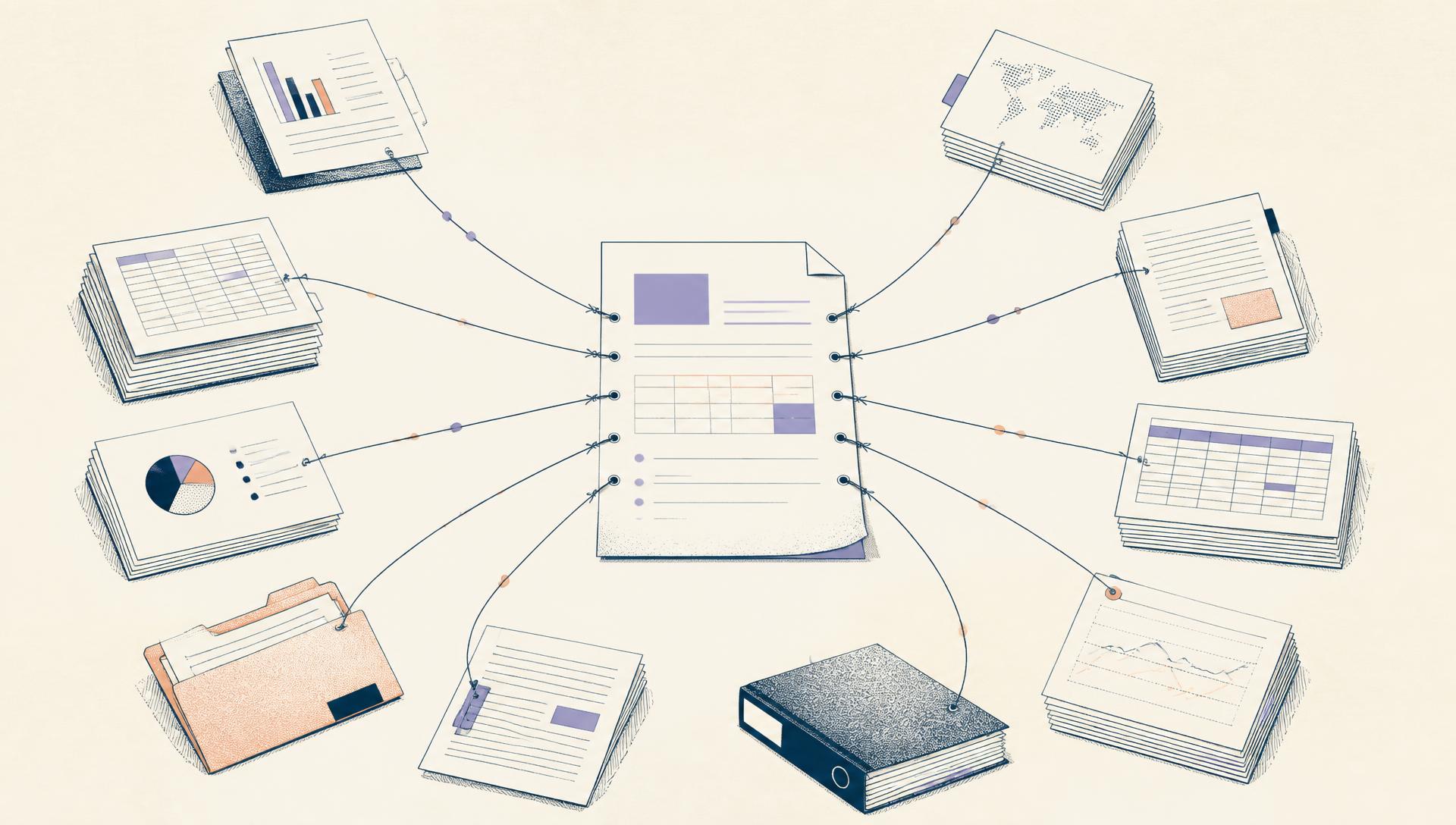
- Numbers are re-typed from a data room PDF into a spreadsheet, and the re-typing introduces transcription errors.
- Add-backs from the sponsor's quality of earnings report get carried into the model without independent verification.
- Covenant definitions get summarized from memory or from a prior deal rather than the specific document at hand.
A checklist built around failure modes
Rather than checking for sections, a useful review process checks for the specific ways memos go wrong.
Traceability
Every figure in the memo should be traceable to a specific page in a specific source document. If an analyst cannot point to where a number came from in under thirty seconds, treat it as unverified.
Consistency across the deal team
The leverage multiple in the memo, the leverage multiple in the model and the leverage multiple in the covenant schedule should be the same number, calculated the same way. Divergence between these three is one of the most common and most preventable errors in underwriting.
Recency of inputs
Financial statements, compliance certificates and covenant calculations should be checked against the most recent filing, not the version that was current when the analyst started the file weeks earlier.
Independent verification of add-backs
An add-back that cannot be tied to a specific, documented, non-recurring event should not survive into the adjusted EBITDA figure used for pricing and leverage.
Sensitivity, not just a base case
A memo that shows only a base case forecast tells the committee nothing about how the credit behaves under stress. Downside scenarios should reflect specific, named risks from the business overview section, not generic haircuts.
Building this into process, not memory
Relying on an experienced analyst to catch these errors by habit does not scale, especially as deal volume grows and junior staff turn over. The more durable fix is structural:
- Extract figures directly from source documents so the memo cites the record instead of a manually re-typed copy.
- Flag any figure in the memo that lacks a linked source before the memo is finalized.
- Run an automated consistency check across the memo, model and covenant schedule before circulation.
The cost of getting this wrong
An IC memo error rarely surfaces at approval. It surfaces eighteen months later, when a covenant breach reveals that the leverage calculation at close was off by a turn, or when a concentrated customer relationship the memo understated becomes the reason a borrower misses a payment. The checklist that matters is the one built around those failure modes, not the one built around table of contents completeness.