

A payment-in-kind toggle is negotiated, at close, as flexibility: the option for a borrower to pay interest in additional principal rather than cash, if liquidity is tight in a given period. It is described in the credit agreement in neutral, mechanical language. In practice, the decision to exercise it is rarely neutral, and lenders who treat it as a routine option rather than a signal are missing one of the clearest early warnings available in a credit relationship.
Why the toggle exists
Genuine flexibility, in theory
PIK toggle structures were designed to give borrowers breathing room during temporary liquidity constraints, seasonal working capital swings, timing mismatches around a large capital expenditure, without triggering a default. In principle, a well-run business with a genuinely temporary need can use the feature exactly as designed and return to cash pay the following period.
What actually happens more often
In practice, the decision to toggle to PIK is disproportionately correlated with a borrower whose underlying cash generation has weakened, not merely whose timing has shifted. A business generating enough free cash flow to service its debt in cash generally does, because PIK toggling increases the principal balance and, with it, future cash interest obligations once the option is no longer exercised.
Reading the toggle decision correctly
A single PIK election in isolation might be timing. A borrower who toggles for two consecutive periods is very rarely describing a timing issue anymore.
Questions a lender should ask when a toggle is elected
- Has free cash flow generation actually declined, or is this a genuine, explainable timing issue tied to a specific, one-time event?
- Is this the first toggle election, or part of a pattern across multiple periods?
- What does the compounding effect of PIK interest do to leverage and coverage ratios if the pattern continues for another four to six quarters?
The compounding problem
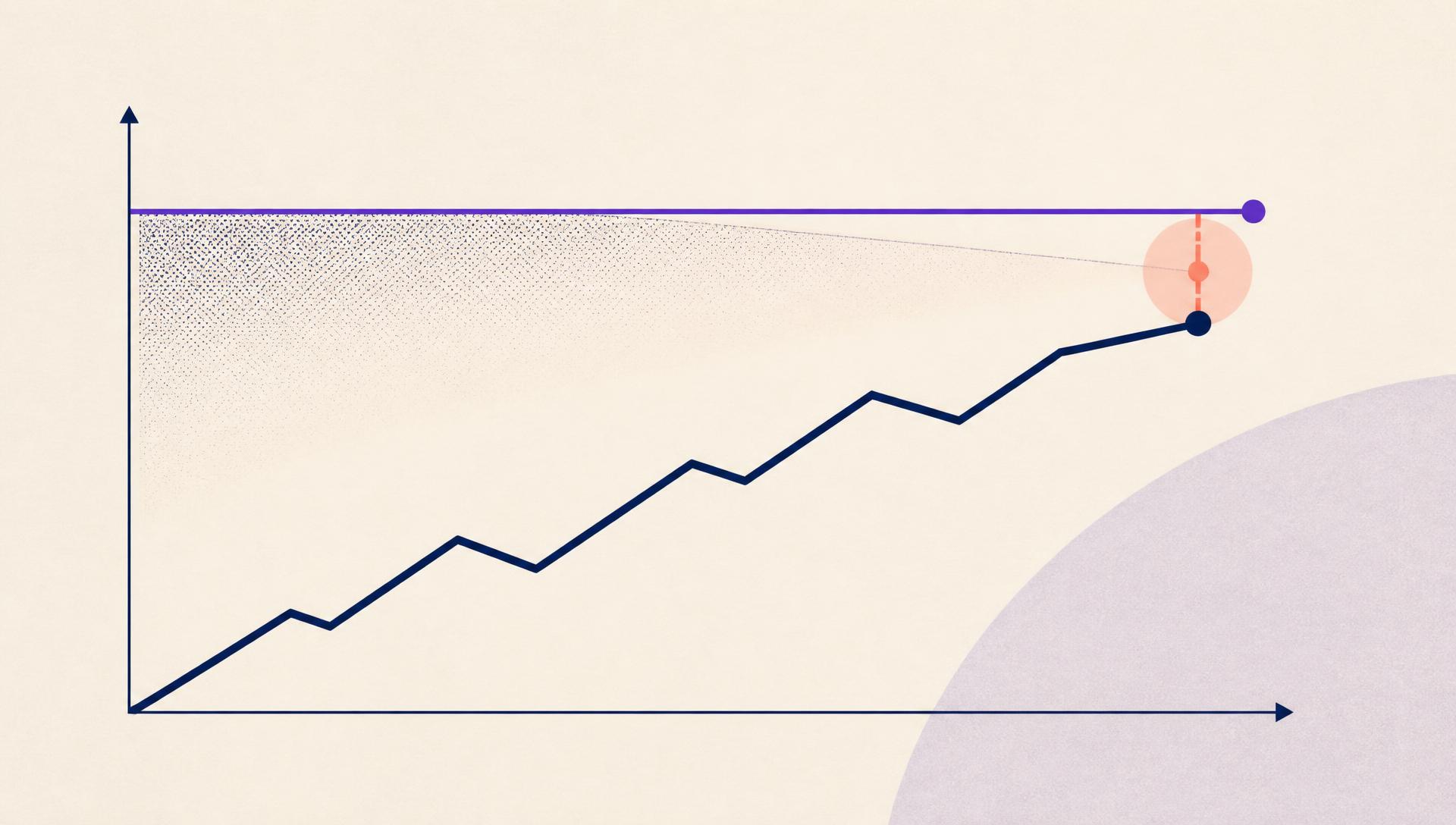
Every period a borrower elects PIK, the principal balance grows, and so does the cash interest burden once the borrower eventually needs to pay in cash again, assuming it can. This creates a mechanical dynamic where a temporarily weak credit that toggles to preserve liquidity can, if the underlying weakness persists, end up with a materially larger, harder-to-service debt load exactly when it can least afford one.
Modeling this properly
A lender monitoring a credit with PIK toggle flexibility should model forward leverage under a scenario where the option continues to be exercised, not just under the base case where the borrower returns to cash pay next quarter as the sponsor projects.
What good monitoring looks like
Treat toggle elections as a covenant-adjacent event
Even where a toggle election is fully permitted under the credit agreement and does not itself trigger any covenant test, it should be tracked and escalated internally with the same seriousness as an early-stage covenant concern, because the underlying cause is often the same deteriorating cash generation trend.
Track the pattern across the portfolio
- Flag any borrower electing PIK for a second consecutive period for portfolio-level review, not just deal-team awareness.
- Model the compounding leverage impact of continued PIK elections under a stress scenario, updated each time an election is made.
- Distinguish, with documented reasoning, between a genuinely temporary election and one that reflects structural cash flow weakness.
The core lesson
A PIK toggle is structured as an accommodation and often marketed as evidence of a flexible, sponsor-friendly credit agreement. For a lender paying attention, it is more useful as an instrument: a clean, contractually documented signal of when a borrower's cash generation first started to weaken, well before that weakness shows up anywhere else in the reporting package.