
Every credit agreement is a living document, in theory. In practice, most portfolio teams treat the original agreement as the reference point and layer amendments and waivers on top of it in memory, in email threads, or in a folder of PDFs that nobody has fully reconciled. That gap between the document a team believes governs a loan and the one that actually does is where avoidable problems live.
How the drift happens
Amendments accumulate quietly
A covenant gets loosened after a soft quarter. A maturity gets extended by six months. A pricing grid gets adjusted as part of a broader relationship discussion. Each of these, taken individually, is a routine, well-documented event at the time it happens. Taken together, over the life of a five or seven year facility, they can produce a governing document meaningfully different from the one the original credit memo described.
Waivers are often treated as one-off events
A single covenant waiver, granted for a specific quarter, is easy to track in isolation. The problem emerges when a borrower has received three or four waivers over consecutive periods, each treated as an isolated event, when the pattern across them is actually the more important signal.
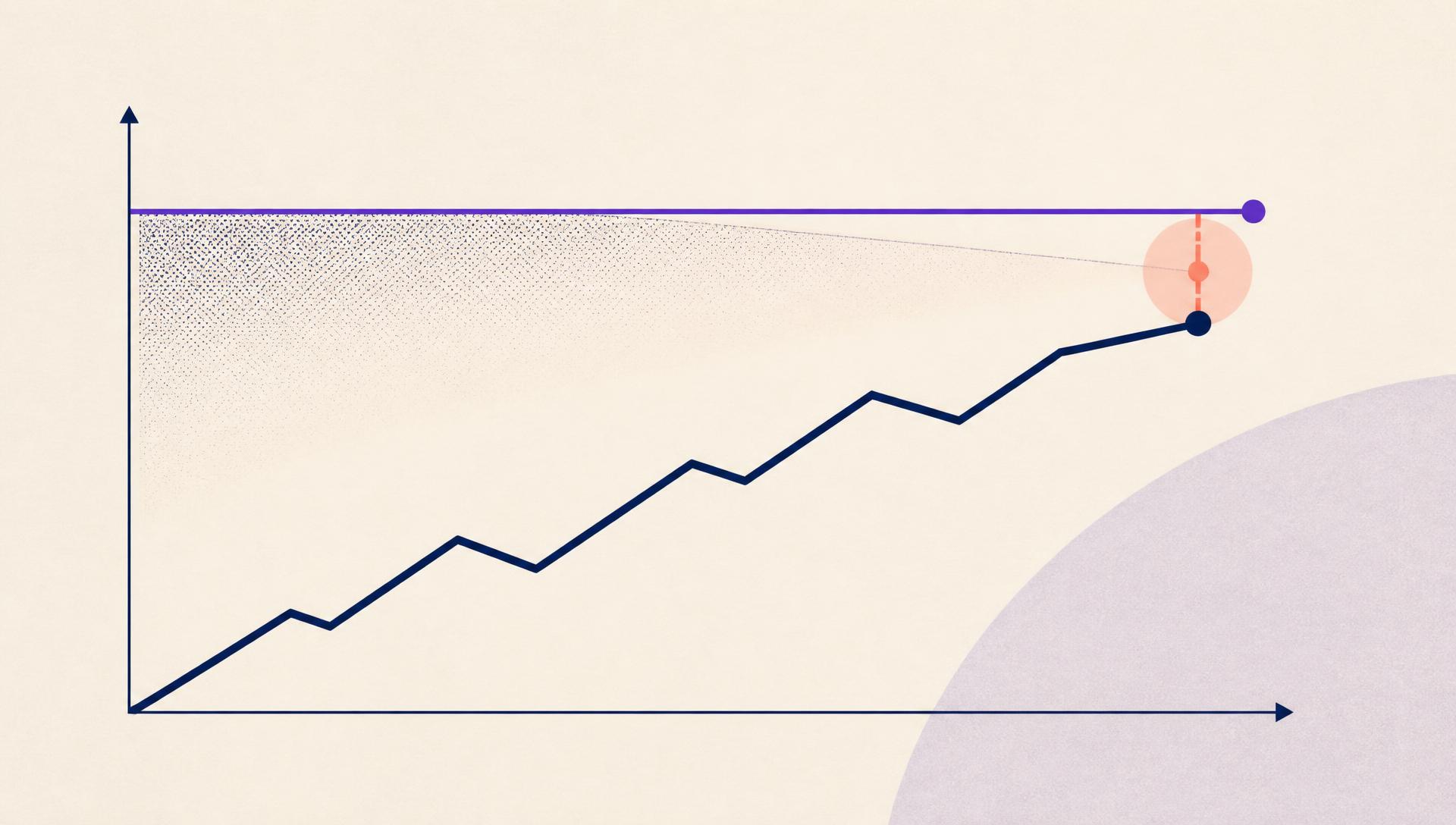
A borrower with four consecutive one-off waivers does not have four isolated problems. It has one deteriorating trend that nobody has looked at in aggregate.
Why this is hard to catch with manual processes
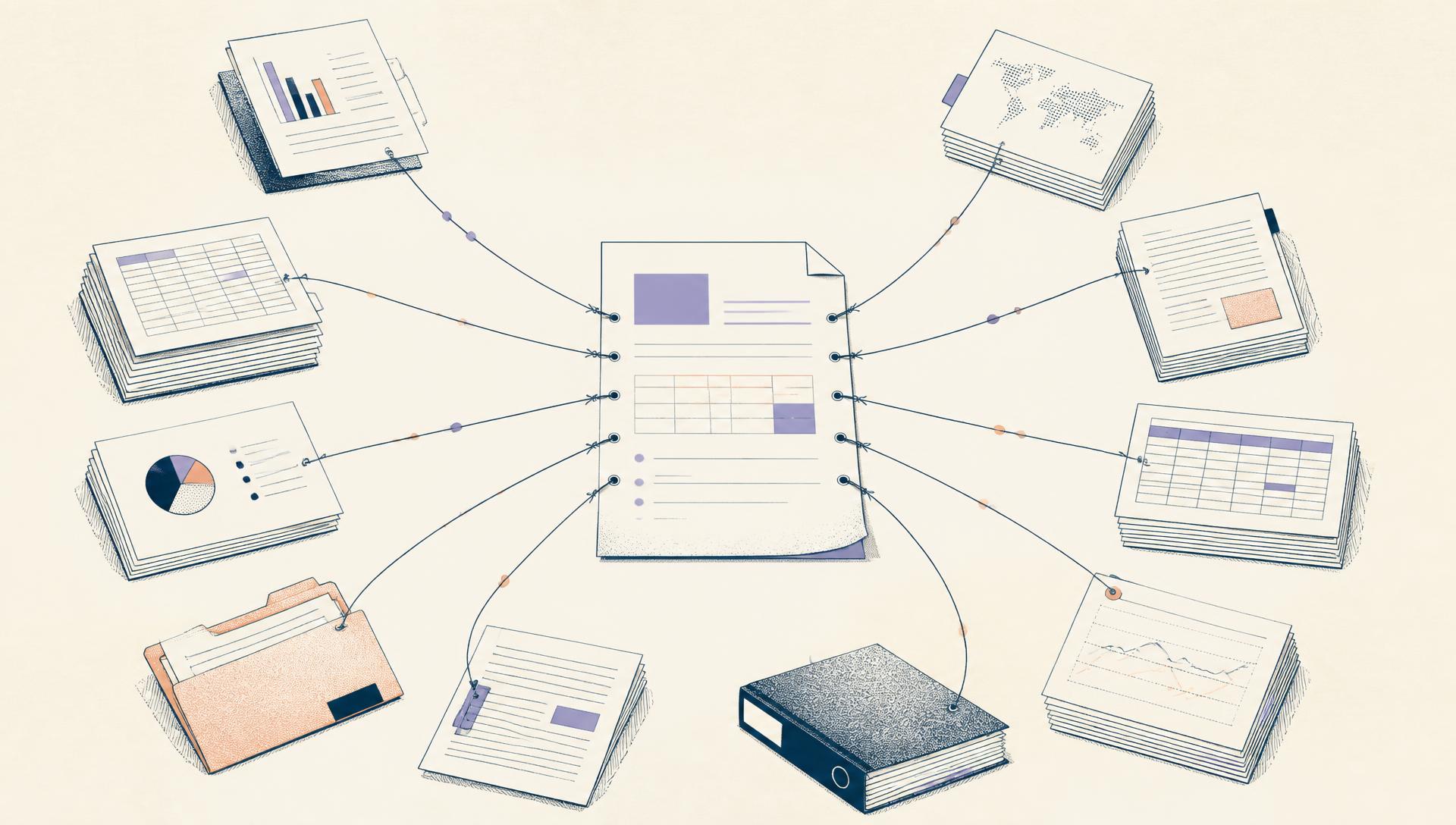
- The original credit agreement, the first amendment, the second amendment and the waiver letters typically live as separate PDFs, not as a single reconciled document.
- Different people on a deal team, over a loan's multi-year life, may not have full visibility into every prior amendment, particularly after staff turnover.
- Covenant calculations performed for the current quarter may reference definitions from an outdated version of the agreement if the analyst doing the calculation is not aware of a recent amendment.
What disciplined tracking requires
A single, current reference document
Every amendment should be reconciled into a current, authoritative summary of the operative terms, not left as a stack of sequential documents that a reader has to manually apply in order to understand the current state of the agreement.
Waiver history as a pattern, not a log
Rather than tracking waivers as discrete events in a compliance log, portfolio teams benefit from viewing waiver history as a trend line per borrower, surfacing repeat patterns that would not be obvious from any single waiver considered on its own.
Version control with clear provenance
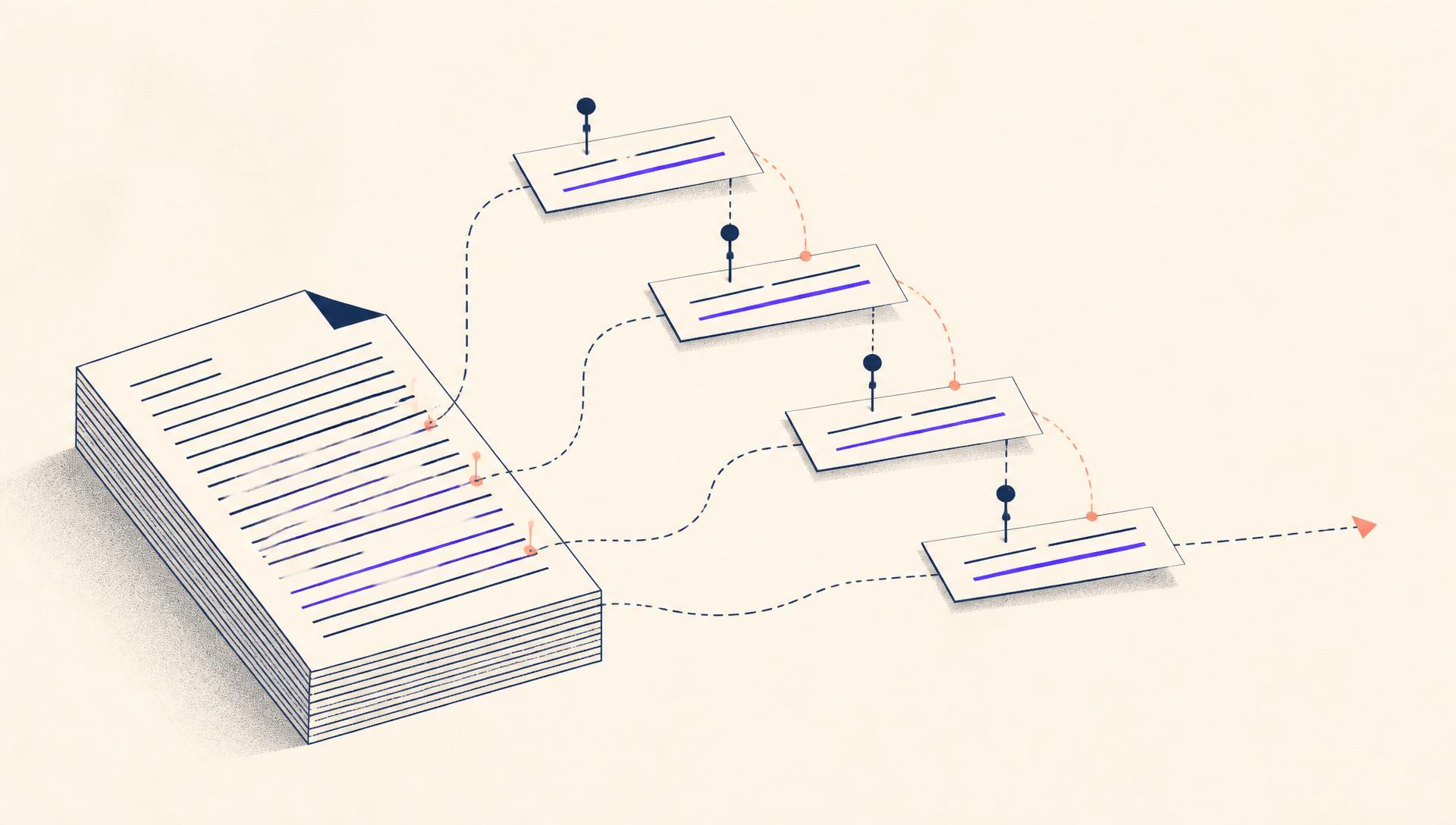
Each amendment or waiver should be linked to the specific document that created it, with a timestamp and a clear statement of exactly which terms changed, so that a portfolio manager reviewing a credit six months later can see not just the current terms but the history of how they got there.
The operational fix
- Maintain a current-state summary of covenant and pricing terms for every facility, updated the moment an amendment is executed.
- Flag borrowers with more than one waiver or amendment within a trailing twelve-month period for portfolio-level review, regardless of how minor each individual event appeared.
- Ensure covenant calculations always reference the current amended definitions, not the original agreement, by linking calculations directly to the reconciled current terms.
Why this matters at scale
For a portfolio with a handful of loans, tracking amendments manually is inconvenient but manageable. For a portfolio with hundreds of facilities, each with its own amendment history, manual tracking is where blind spots accumulate fastest, and it is often the least glamorous, least prioritized part of portfolio operations. It is also, consistently, one of the more common sources of the "how did we not see this coming" conversation after a credit deteriorates.