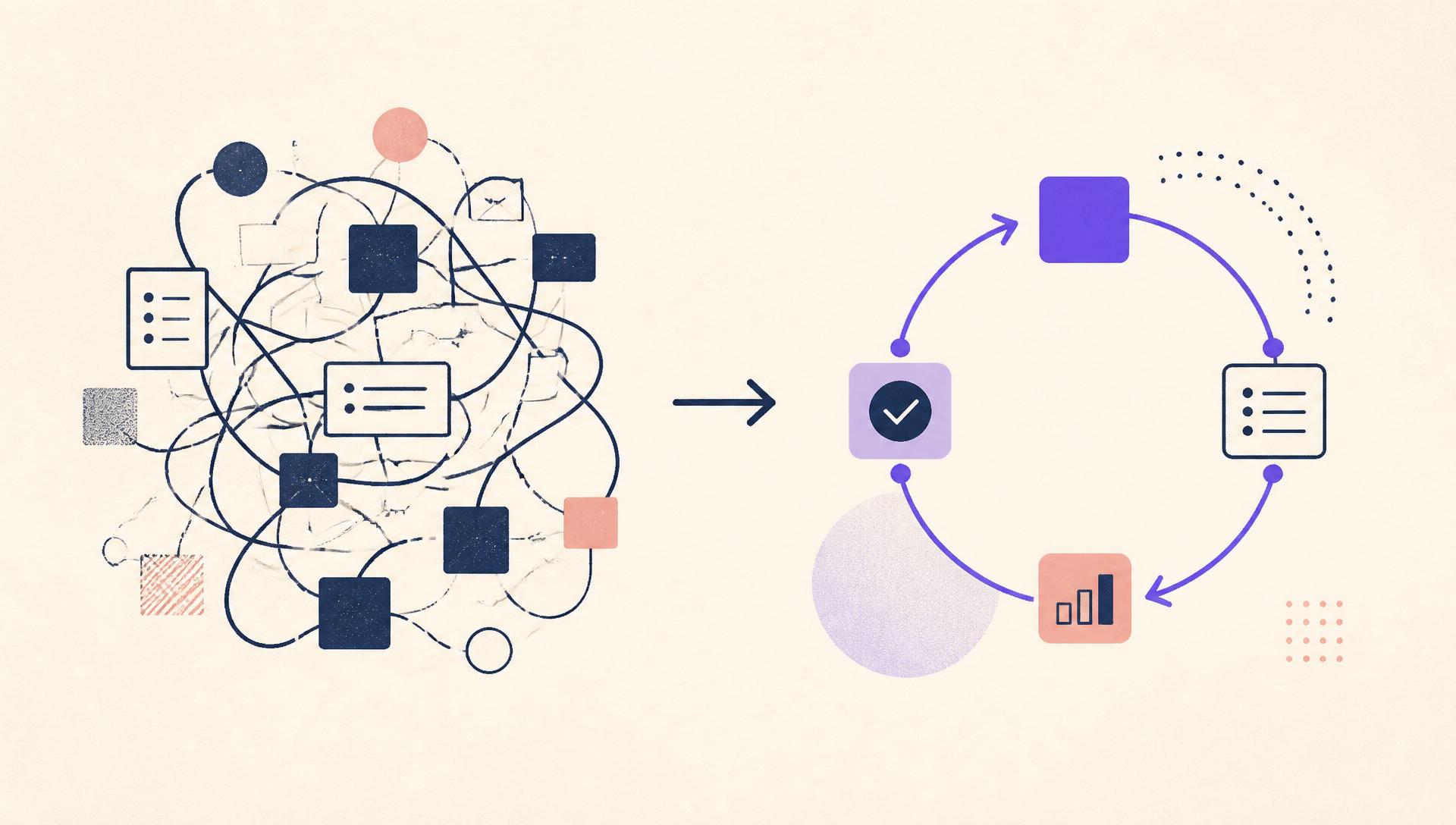


We did not start AZ2 because we thought private credit needed another piece of software. We started it because we kept watching genuinely talented analysts and portfolio managers spend the majority of their working week on tasks that had nothing to do with the judgment they were actually hired for.
The observation that started everything
Before founding AZ2, several of us worked directly in credit, on both the underwriting and portfolio monitoring sides. The pattern was consistent across firms of very different sizes and strategies: the actual credit thinking, weighing downside scenarios, understanding a management team, deciding whether a structure adequately protects the lender, took a small fraction of the week. The rest went to re-keying numbers, reconciling spreadsheets against source documents, and reformatting the same facts into a different template for a different audience.
Why this problem was worth solving
This was not a minor inefficiency. It was a structural constraint on how the industry operates.
- Deal teams were capped in how many transactions they could evaluate, not by judgment capacity, but by document processing capacity.
- Portfolio monitoring quality depended heavily on how much manual bandwidth was left over after underwriting new deals, which meant monitoring often lost the trade-off.
- Junior analysts spent years on manual reconciliation before they got meaningful exposure to the judgment calls that actually build credit expertise.
What we believed was different this time
Private credit had seen technology attempts before, mostly point solutions for a single task like spreading financials or tracking covenants in a spreadsheet. What changed, and what made us believe this was the right moment, was the arrival of language models capable of reading and reasoning over unstructured documents at a level that could meaningfully reduce the manual work, provided the accuracy and verifiability problems were taken seriously rather than glossed over.
The decision to build for depth, not breadth
We made an early decision to focus specifically on private credit workflows, rather than building a generic financial document tool that tried to serve every asset class shallowly. Credit agreements, covenant structures, and portfolio monitoring have specific structure and specific failure modes that a generalist tool will not get right, and we believed a team that had actually done this work would build something meaningfully better by staying narrow.
We did not want to build a tool that impressed people who had never had to defend a number to a credit committee. We wanted to build a tool that earned trust from people who had.
What we prioritized from day one
Three principles shaped every early product decision, and they still shape the roadmap today.
- Every extracted fact must be traceable to its exact source, with no exceptions, because trust in this industry is built on verifiability, not convenience.
- The product should reduce manual work without removing the analyst's judgment from the process, because judgment is the actual job, not an obstacle to automate around.
- Security and data handling had to meet institutional standards from the first customer, not be retrofitted after growth made it urgent.
What has changed since we started
The response from credit teams has confirmed the original observation. Firms using AZ2 are not asking for a tool that replaces their analysts. They are asking for more of what gives their analysts back the hours they used to spend on reconciliation, so those hours go toward the deals and the portfolio companies that actually need attention.
Where we go from here
We are still early in what we think this technology can do for private credit, and the roadmap ahead is longer than what we have shipped so far. But the founding motivation has not changed: give the people doing this work back their time, without asking them to trust a system that cannot show them exactly where its answers came from.