
Every private credit firm now has access to roughly the same capabilities: document extraction, automated spreading, draft memo generation, continuous monitoring. Within eighteen months the returns on those capabilities will vary enormously — and the variance will have almost nothing to do with the software.
Tools do not change output; process does
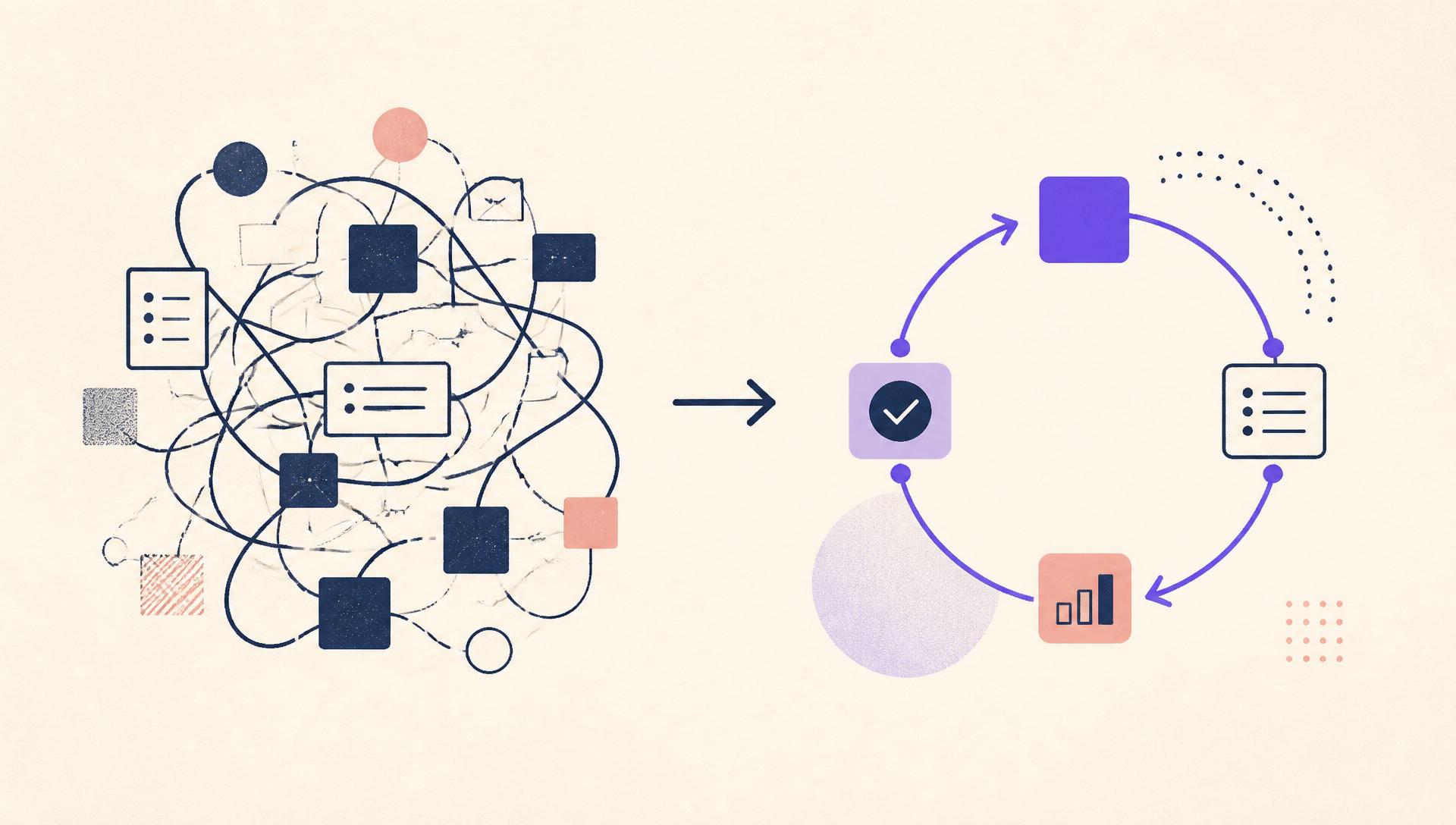
Dropping automation into an unchanged workflow produces a familiar result: the analyst still does the work manually, then uses the tool to check it. Cycle time is unchanged and the firm concludes the technology did not deliver.
The teams getting real leverage restructured three things.
One: the analyst's job description
The unit of analyst work moves from producing the spread and the memo draft to reviewing and challenging them. That is a different skill and a different day. It requires explicitly telling people that re-keying data is no longer part of their role.
Two: the review gate
If a machine produces the first draft, review must become sharper, not softer. High-performing teams introduce an exception-first review: the reviewer starts with what the system flagged as uncertain or inconsistent, and only then reads the document.
Three: the standard of evidence
When drafting is cheap, the differentiator becomes provenance. Firms are raising the bar: every figure in committee materials cites a source document and page, and every override records who made it and why.
Where the capacity actually goes
Freed hours can be spent three ways, and the choice is strategic.
- See more deals. Higher screening throughput improves selection.
- Go deeper on the deals you like. More channel checks, more customer calls, more scenario work.
- Monitor harder. Reallocating capacity to the existing book usually has the best risk-adjusted return, and it is the option most firms neglect.
The governance work nobody enjoys
Model behaviour needs the same treatment as any other part of the investment process: documented scope, documented limitations, periodic accuracy review, and a clear statement of what a human must sign. LPs and lenders are already asking. Having the answer written down before the question arrives is a competitive advantage in itself.
The next eighteen months
Expect the gap to widen between firms that treated this as a procurement exercise and firms that treated it as an operating-model redesign. The technology will be commoditised. The process discipline around it will not.