
Ask a general-purpose language model a question and it will typically give you a fluent, confident answer, regardless of whether that answer is actually correct. In consumer contexts that is often tolerable. In a credit workflow it is not, because the difference between a fact and a plausible-sounding assertion is exactly the difference a credit committee is relying on the analyst, and the tools the analyst uses, to catch.
Why generation alone is not enough
A language model generates text by predicting likely continuations, not by consulting a verified source unless it is explicitly built to do so. Left unconstrained, a model can produce a covenant threshold that sounds entirely plausible and is simply wrong, either fabricated outright or drawn from a similar but different document it encountered during training. This failure mode, often called hallucination, is well documented and is precisely why financial applications cannot rely on generation alone.
Retrieval as the grounding mechanism
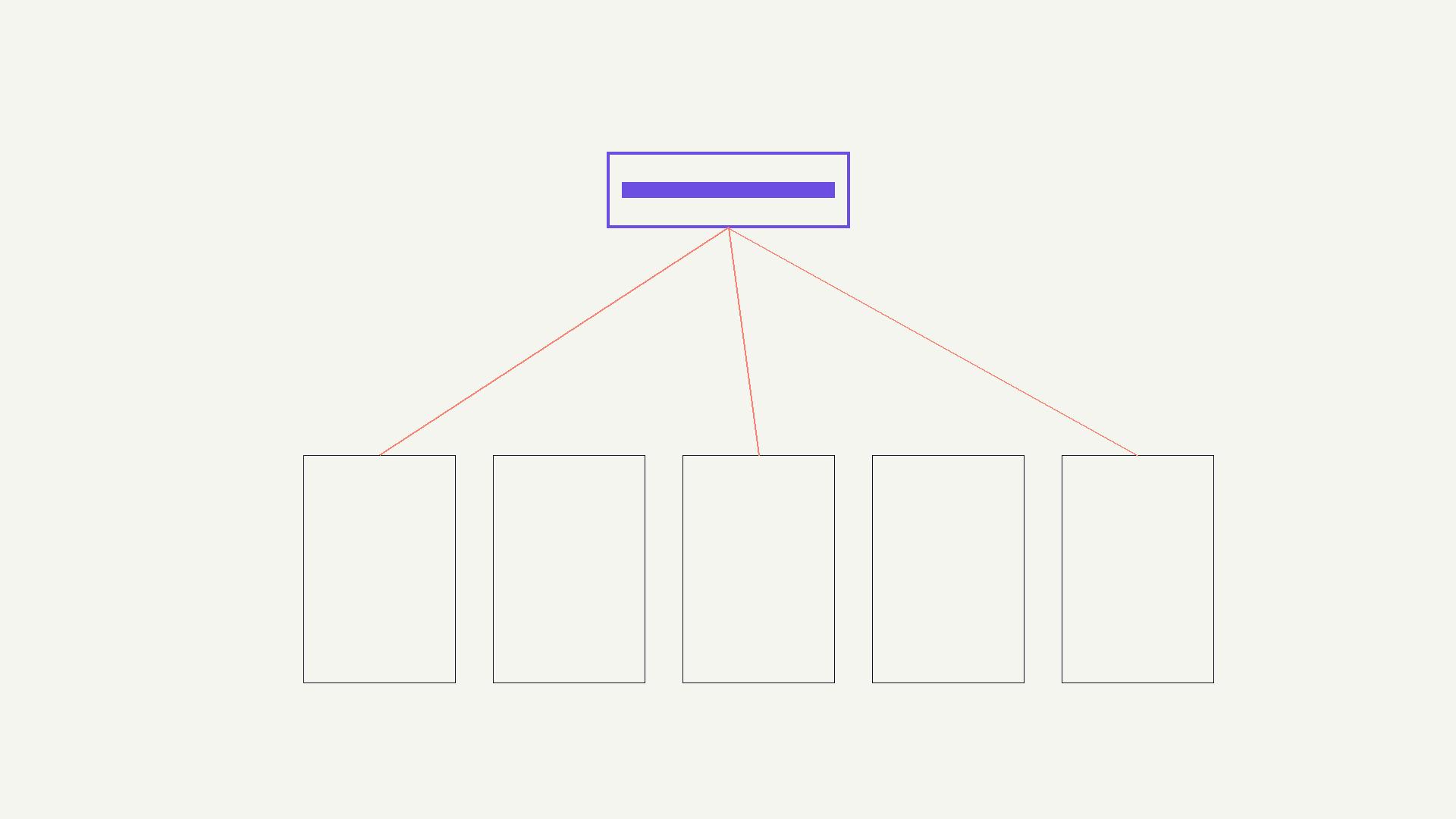
Retrieval-augmented generation addresses this by first finding the specific, relevant passages from the actual source documents, and then constraining the model's output to be built from those passages rather than from its general training. The model's job shifts from "recall an answer" to "summarize and reason over this specific evidence," which is a meaningfully different and more reliable task.
- The system searches the actual credit agreement, financial statement, or data room document for relevant passages.
- Retrieved passages are passed to the model along with the question, so generation happens with the source material directly in view.
- The model is instructed to answer only from the retrieved material, and to indicate clearly when the retrieved material does not answer the question.
Why citations are the other half of the solution
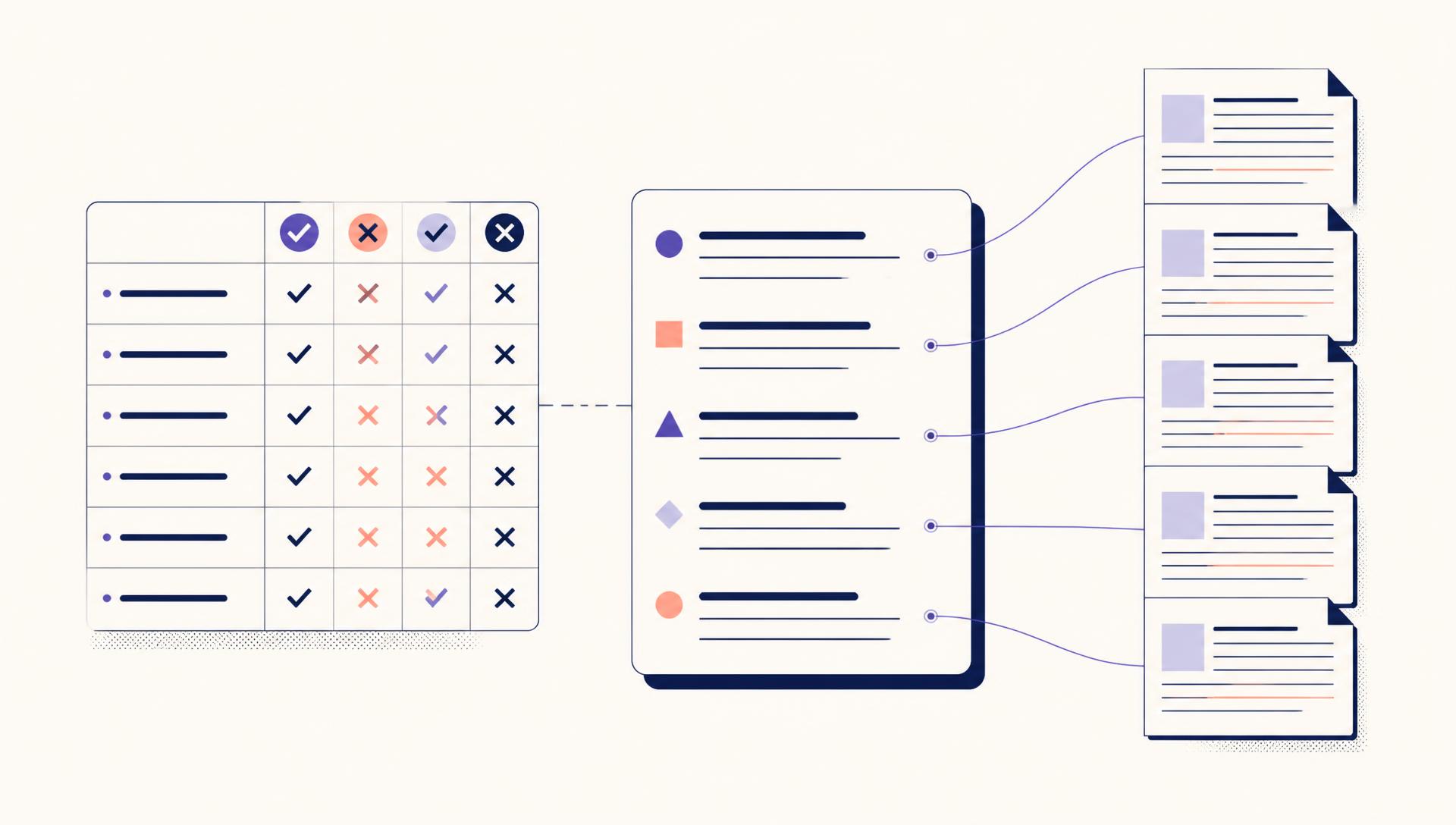
Retrieval reduces the likelihood of a wrong answer, but it does not, by itself, let a reviewer verify the answer quickly. Citation is what closes that gap: every factual claim in the output links to the specific page and passage it came from, so a reviewer can check it in seconds rather than searching the whole document again.
What a good citation actually needs to include
A citation that says "see the credit agreement" is not useful. A citation needs to be precise enough that verification takes seconds.
- The specific document and, where relevant, which version or amendment it refers to.
- The page number and, ideally, the specific section or table the fact came from.
- A direct link that opens the source at that exact location, rather than requiring the reviewer to search for it manually.
An answer without a citation is a claim. An answer with a citation is a fact you can check in ten seconds instead of ten minutes.
Where this approach still has limits
Retrieval and citation reduce hallucination risk substantially, but they do not eliminate the need for judgment. Some questions require synthesizing information across multiple documents or applying professional interpretation to ambiguous language, and in those cases the system should present the relevant sources clearly and let a human draw the conclusion, rather than presenting a synthesized judgment as if it were itself a retrieved fact.
The engineering discipline this requires
Building this well requires treating retrieval quality as seriously as model quality. A model with perfect reasoning is only as good as the passages it is given, so we invest heavily in document parsing, chunking strategy, and search relevance, because a missed or poorly retrieved passage produces an incomplete answer regardless of how capable the underlying model is.
The standard this sets
We think this should be the baseline expectation for any AI tool used in credit work, not a differentiating feature. If a system cannot show, precisely, where an answer came from, it has not actually answered the question. It has generated something that resembles an answer, and in this industry that distinction is the whole point.