
A fund's data room is not a casual dataset. It contains borrower financials that have never been public, cap tables that reveal ownership stakes, and credit agreements with terms that both the lender and the borrower would prefer stayed private. Any platform that touches this material has to treat security not as a feature but as a precondition for being trusted with the work at all.
Starting from the threat model, not the checklist
Compliance checklists are necessary but not sufficient. The more useful exercise is to ask what an adversary, a careless employee, or a misconfigured integration could actually expose, and to design against those specific failure modes rather than a generic list of best practices.
Who can see what, and why
The core question in any credit platform is access control at the document and field level, not just at the account level.
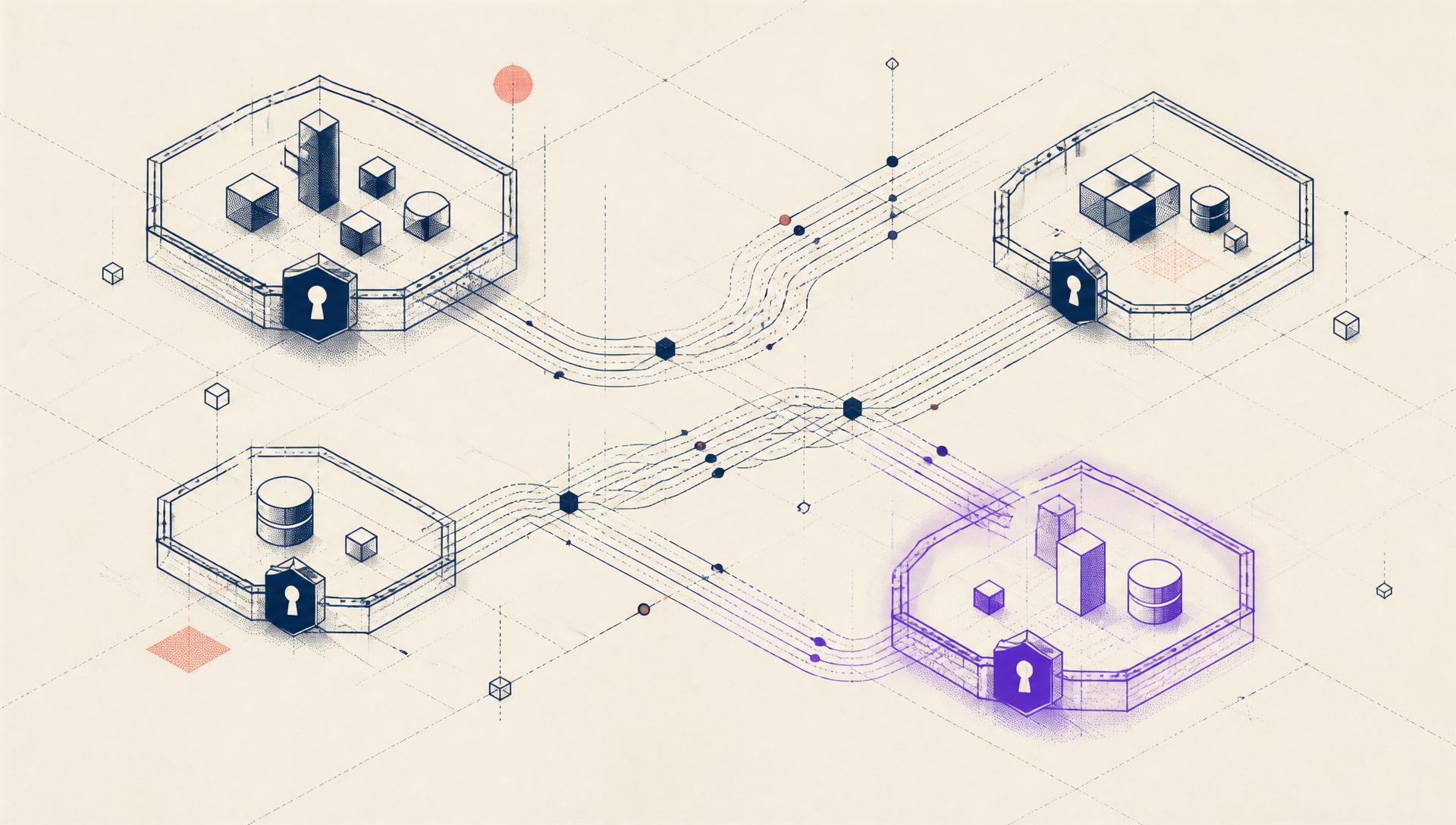
- Every document is scoped to the fund, deal team, or engagement it belongs to, and access does not implicitly extend across funds within the same firm.
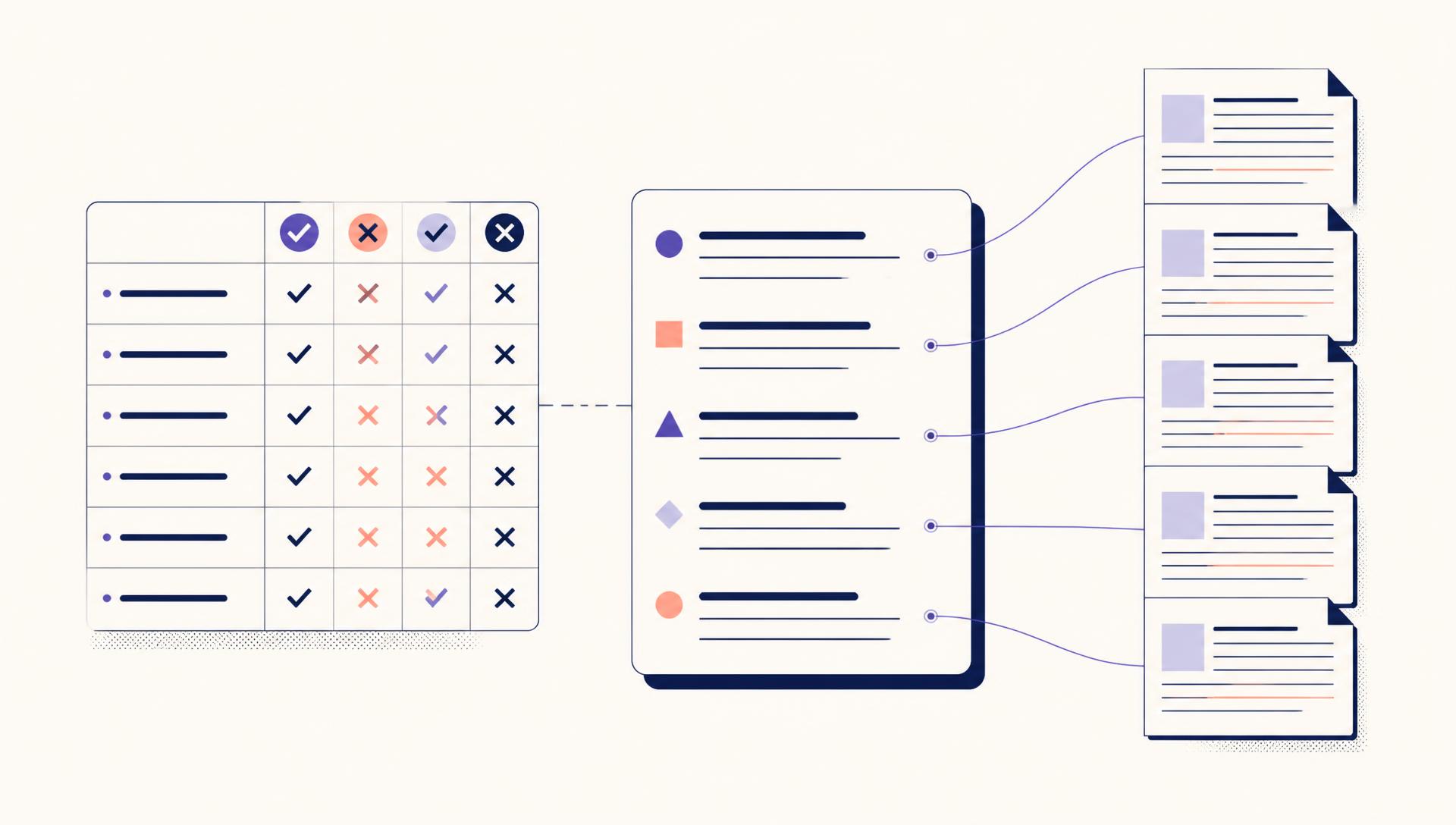
- Role-based permissions distinguish between someone who can view a memo, someone who can edit it, and someone who can approve it for distribution.
- Access logs are retained and auditable, so a firm can answer, precisely, who viewed a specific credit agreement and when.
Encryption and storage design
Data is encrypted in transit and at rest, using industry-standard protocols, but the more important design decision is minimizing the surface area where sensitive data sits unencrypted even briefly, including in logs, caches, and temporary processing artifacts.
Data residency as a first-class requirement
Institutional LPs and regulated fund structures frequently have explicit requirements about where data physically resides and which jurisdictions' laws govern it. We treat residency as a configuration decision made deliberately with each client, not an afterthought discovered during a security questionnaire.
A platform that cannot answer where a document lives, in plain language, is not ready to hold a credit agreement.
Model usage and data isolation
A distinct concern in AI-driven platforms is whether a client's documents are ever used to train a shared model or exposed to another client's workflow. Our approach keeps a firm's documents and derived data isolated to that firm, and any use of underlying language models is structured so client data is not retained by the model provider for training purposes.
Vendor and subprocessor discipline
Every subprocessor that touches client data, from cloud infrastructure to model inference providers, is vetted against the same standard the firm itself is held to, and firms retain visibility into that subprocessor list rather than discovering it after the fact.
Practical steps we recommend to clients
- Define which document categories require the strictest residency and access controls before onboarding, rather than applying a blanket policy that under-serves the most sensitive material.
- Use single sign-on and enforce multi-factor authentication for every user who can access deal documents.
- Review access logs on a regular cadence, not only during an incident investigation.
- Treat integrations (email, data rooms, portfolio monitoring tools) as an extension of the security perimeter, and audit them with the same rigor.
The standard we hold ourselves to
Security is not a static state. It is a continuous practice of independent audits, penetration testing, and incident response readiness. Firms evaluating any technology partner for this kind of work should expect a direct, specific answer to questions about encryption, residency, and data isolation, not a marketing page. That is the standard we hold ourselves to, and the one we think the industry should expect from every vendor handling fund-sensitive data.